
249th Electrochemical Society (ECS) Meeting Recap

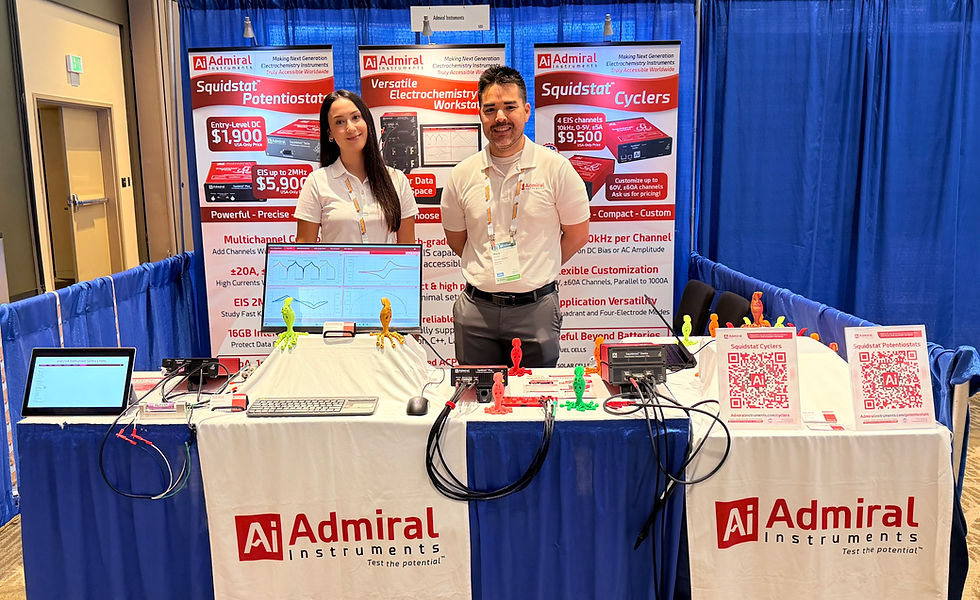
Admiral Instruments Electrochemical Applications Engineer Dilara Ozdemir and President Mark Sholin.
The Admiral Instruments team recently returned from an exciting week at the 249th ECS Meeting in Seattle, Washington. Bringing together researchers, engineers, students, and industry leaders from around the world, the conference provided an excellent opportunity to connect with the electrochemical community and showcase our instrumentations.
Over the course of the conference, more than 100 visitors from the US, Japan, the UK, Germany, Netherlands, and beyond stopped by our booth to see the Squidstat Plus potentiostat and Squidstat Cycler - Base Model in action alongside our battery test fixtures. We ran live demos of electrochemical impedance spectroscopy (EIS) measurements and battery cycling, which sparked a lot of great conversations, technical questions, and shared insights into different research projects.
It was especially fun connecting with both longtime Squidstat users and people discovering our instruments and software for the first time. The hands-on demos gave everyone a chance to see real-time measurements and data collection in action while chatting with our team about general electrochemical testing and battery research.
Did You Miss Us at ECS?
One of the best parts of the ECS Meeting was getting to connect with so many people in the electrochemical research community. From students just getting started to experienced industry professionals, everyone brought a lot of energy and curiosity that made the week really enjoyable.
If you didn’t get a chance to see us at ECS, hopefully we’ll catch you at a future conference. Check out our exhibition schedule using the link below to find out where the Admiral Instruments team will be next. Stop by our booth, we’d love to show you our instruments in action and even share a Squidstat Solvers Series Squid figurine with you!

Highlights from ECS 2026
Hands-on demo at the UW – During the trip, the team also had the chance to visit the University of Washington for a hands-on instrument demo and discussions with researchers and students. It was great getting to see their work up close, answer questions in real time, and talk through different electrochemical techniques and applications together.
Live instrument demos – Attendees got to see the Squidstat Cycler - Base Model, Squidstat Plus potentiostat, and Squidstat Venta potentiostat in action through live electrochemical measurements.
Connecting with researchers – We had some great conversations with researchers and engineers working across batteries, fuel cells, corrosion, sensors, and a wide range of electrochemical applications.
Reconnecting with users – It was great catching up with existing Squidstat users and hearing about the innovative and creative projects they’re working on in both academia and industry.
Bridging experience levels – We connected with a wide range of attendees, from students to senior executives, fostering knowledge sharing and stronger community ties.
Student engagement – We really enjoyed learning about the projects students and early-career researchers are working on and talking through possible next steps with them. There’s a lot of exciting work happening right now, and it was great getting to hear about it firsthand.
Exploring Seattle – Between sessions and exhibits, the team got to enjoy Seattle’s waterfront views, local food spots, and some of the city’s unique museums and art spaces, including the glass museums and exhibits that made the trip even more memorable.
Global participation – We had visitors from all over the world stop by the Admiral Instruments booth, which really reflected the collaborative and international spirit of the ECS community.

Picture taken by Dilara Ozdemir at the University of Washington.

Professor Angela Sastre-Santos wearing two Squidstat Solvers figurines.

Picture taken by Dilara Ozdemir at Pike Place Market's waterfront.
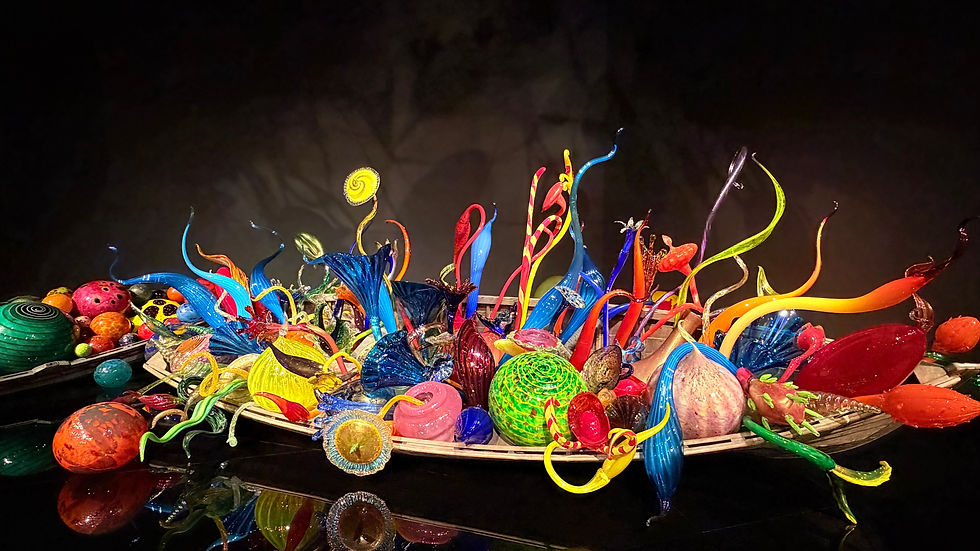
Picture taken by Dilara Ozdemir at the Chihuly Garden and Glass.


Mình không phải kiểu đánh theo cảm tính hoàn toàn, nhưng cũng chẳng đặt nặng chuyện hên xui. Thường mình hay xem lại mấy kỳ gần nhất, ghi chú nhanh vài nhóm số hay về rồi lọc ra vài con thấy hợp mắt. Có bữa trúng chút đỉnh thì vui, nhưng cũng nhiều lần trật hết nên mình coi như giải trí cho nhẹ đầu sau giờ làm. Mấy bài kiểu dự đoán xổ số miền bắc mình vẫn đọc, miễn là đọc tỉnh táo thì cũng mở thêm góc nhìn, nhất là đoạn nói về cầu với thống kê. Quan trọng nhất vẫn là biết điểm dừng, chứ ham quá là mệt. Thỉnh thoảng mình còn bàn với mấy…